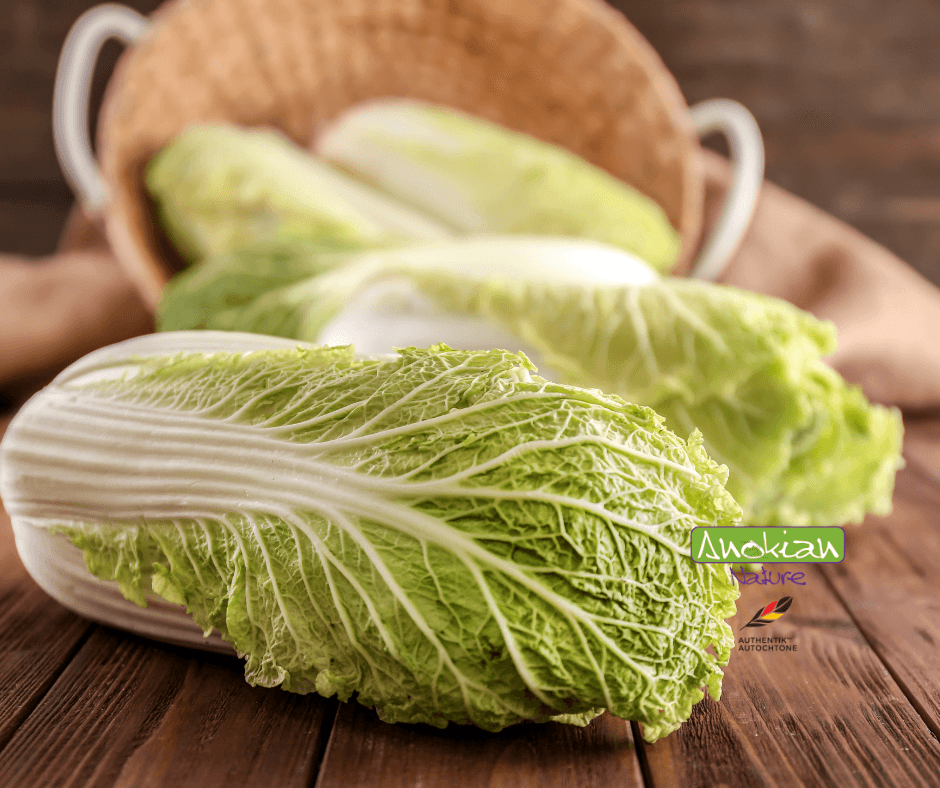
Kimchi is a signature dish in Japanese and Korean cuisine, and there are many variations depending on the region and season. Baechu kimchi (김치), or Chinese cabbage kimchi, is the most popular version. It consists of Chinese cabbage fermented with spices, chili peppers, garlic, and sometimes fermented seafood. Here's a traditional recipe for making kimchi at home.
- Recipe: Baechu Kimchi (김치)
Ingredients (for 2 to 3 large jars of kimchi): - For the cabbage:
2 Chinese cabbages (Napa)
1/2 cup (120 g) coarse unrefined sea salt (for salting the cabbage)
2 liters of water
For the spicy dough:
1 cup Korean chili powder (gochugaru) (adjust according to your chili tolerance)
1/4 cup fish sauce (or soy sauce for a vegetarian version)
2 tablespoons fermented shrimp sauce (optional)
1 tablespoon of sugar
1 tablespoon grated fresh ginger
6 garlic cloves, crushed or finely chopped
1 white onion, finely chopped
2 green onions (chives), cut into 5 cm pieces
1/2 white radish (daikon), cut into thin strips or julienne strips
1 carrot, cut into thin strips or julienne strips
1 small Korean apple or pear, grated (optional, for a natural sweet taste)
Preparation steps: - 1. Prepare the Chinese cabbage:
Cut the cabbages in half lengthwise, then into quarters if the cabbages are very large. Rinse the pieces under cold water to remove any dirt.
Salting: Sprinkle each cabbage leaf generously with coarse salt, making sure to distribute the salt evenly between the layers. Let the cabbage sit for 2 to 3 hours, turning it occasionally to ensure the salt is absorbed. This process helps draw out the water from the cabbage and makes it more tender.
After 2 to 3 hours, rinse the cabbage thoroughly with cold water 2 to 3 times to remove excess salt. Drain the cabbage well. - 2. Prepare the spicy paste:
In a large bowl, combine the Korean chili powder (gochugaru), fish sauce, fermented shrimp sauce (if using), sugar, ginger, garlic, and onion. Mix until smooth.
Add the green onions, radish slices, carrots, and pear (or grated apple) to the batter. Mix well to coat the vegetables. - 3. Massage the cabbage with the spicy paste:
Take each piece of cabbage and apply the spicy paste between each leaf. Use your hands (wear gloves if possible, as the chili can irritate the skin) to spread the paste evenly over each leaf, making sure to apply a generous amount.
Once each piece of cabbage is coated, roll them lightly on themselves to form small packets. - 4. Fermentation:
Place the battered choux buns in a large glass or ceramic jar, packing them down well so there is not too much air between the pieces.
Let ferment at room temperature for 1 to 2 days, depending on the ambient temperature (the warmer it is, the faster the fermentation will be). You will see bubbles forming and liquid beginning to escape from the vegetables, a sign that fermentation is beginning. - 5. Storage:
Once fermentation begins, place the jar in the refrigerator to slow the process. Kimchi is usually ready to eat after 5 to 7 days, but it can be left to ferment longer for a more intense flavor.
Tasting tips:
Kimchi is a perfect accompaniment to Korean dishes like rice, bibimbap, or Korean barbecue (bulgogi). It can also be used to make dishes like kimchi jjigae (kimchi stew) or kimchi pancakes.
Variants:
For a vegetarian version, replace the fish sauce with soy sauce, and omit the fermented shrimp.
You can add fresh seafood (like oysters) to the paste for even richer kimchi flavor, although this will speed up the fermentation process.
Kimchi is a living food that continues to ferment over time, becoming increasingly complex in flavor. Enjoy its fresh flavors or wait a few weeks for a more fermented and tart kimchi!
Here's a traditional recipe from the Kyoto region that showcases Chinese cabbage, while respecting the principles of the refined and delicate cuisine typical of this city: Yudofu with Chinese cabbage (湯豆腐, boiled tofu). This dish is a Kyoto classic, particularly appreciated in Buddhist temples, where the emphasis is on simplicity and harmony of flavors.
- Recipe: Yudofu with Chinese cabbage
Yudofu is a simple hot pot dish made with tofu, usually served with vegetables such as Chinese cabbage in a light broth. - Ingredients (for 4 people):
1/2 Chinese cabbage (napa), cut into medium-sized pieces
1 block of firm or semi-firm tofu (approximately 300g), cut into 4-5cm cubes
1/2 carrot, cut into thin slices
2-3 shiitake mushrooms, sliced
5 cm of kombu (dried seaweed)
1.5 L of water
2 tablespoons of soy sauce
1 tablespoon of mirin (optional)
Finely chopped chives (for garnish)
For the dipping sauce (optional):
2 tablespoons of soy sauce
1 tablespoon of dashi (fish stock) or water
1 tablespoon lemon juice or rice vinegar
A pinch of chili pepper (optional)
Preparation :
Prepare the broth:
In a saucepan, add 1.5 L of water and the piece of kombu. Let the kombu soak in the water for 20 to 30 minutes to release its delicate aromas.
Then bring the water and kombu to a boil over medium heat. Remove the kombu just before the water begins to boil to avoid an overpowering taste.
Add the vegetables and tofu:
Add the Chinese cabbage, carrot, and shiitake mushrooms to the broth. Simmer over low heat for about 5 minutes, until the vegetables begin to soften.
Then add the tofu cubes gently so they don't break, then continue to cook for another 5 to 7 minutes, until the tofu is heated through.
Season:
Add soy sauce and mirin (if using) to enhance the broth's flavor. Adjust the amount of soy sauce to your liking.
Prepare the dipping sauce (optional):
In a small bowl, combine the soy sauce, dashi, and lemon juice or rice vinegar. Add a pinch of chili pepper if you like it spicy. You can dip the tofu and vegetables in this sauce before serving.
Serve :
Serve the Yudofu piping hot in individual bowls. Garnish with finely chopped chives for a fresh taste.
You can accompany this dish with white rice or a light green tea.
Advice :
You can vary the vegetables by adding bamboo shoots, spinach or daikons (Japanese radishes) for more variety.
The kombu in the broth gives a delicate umami flavor without being overpowering, which is typical of Kyoto cuisine, known for its lightness and subtlety.
This simple yet comforting dish reflects the philosophy of Kyoto cuisine: respect for ingredients, balance of flavors, and elegant presentation.
Bon appetit!