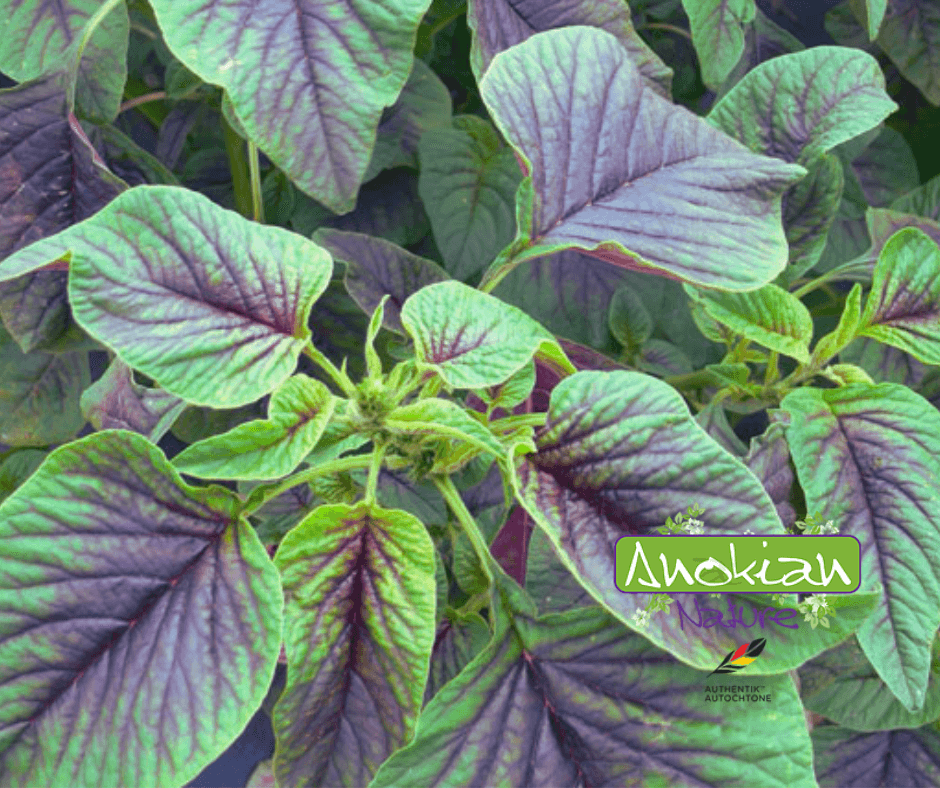
Tricolor amaranth (Amaranthus tricolor) is traditionally used in several Asian cuisines, including China, India, Thailand, and Vietnam. The leaves and stems are commonly eaten, while the seeds, although edible, are less commonly used in traditional Asian cuisine compared to other amaranth varieties.
Here are some traditional ways to cook tricolor amaranth:
- Stir-fried (Chinese and Asian cuisine)
Tricolor amaranth leaves are often sautéed in hot oil with garlic, ginger, and sometimes chili peppers to add flavor. Vegetables such as peppers, mushrooms, or proteins like tofu or pork can be added for a complete dish.
Classic preparation:
Heat oil in a wok or large skillet.
Add minced garlic and ginger and sauté until fragrant.
Add the amaranth leaves (and stems, if tender) and stir-fry for a few minutes until wilted.
Season with soy sauce, salt, pepper and a little sugar to balance the taste.
For a more complex dish, add protein like tofu or shrimp, and serve with rice.
- In soup (Asian and Indian cuisine)
Amaranth leaves can be used in soups or broths, often accompanied by other vegetables or lentils for a nourishing dish.
Example of a simple soup (inspired by Indian cuisine):
Heat oil in a pot and sauté garlic, ginger, and spices such as turmeric and cumin.
Add chopped tomatoes, a little broth (or water), and chopped vegetables (like carrots or potatoes).
Once the vegetables are almost cooked, add the amaranth leaves and simmer until the leaves are tender.
Season with salt, pepper, and optionally coconut milk for a creamy touch.
This soup can be served with basmati rice for a complete meal.
- In curry (Indian cuisine)
Tricolor amaranth also lends itself well to vegetarian curries. The leaves are often incorporated into vegetable curries, where they absorb the spices and add nutritional richness.
Vegetarian Curry Recipe:
Sauté onions, garlic, ginger, and spices like turmeric, cumin, and coriander in hot oil.
Add vegetables like potatoes, tomatoes, spinach (or amaranth), and lentils if desired.
Cover with coconut milk and simmer until the vegetables are tender.
Add the amaranth leaves and cook for a few minutes until tender and well incorporated into the sauce.
Serve this curry with rice or naan bread for a complete meal.
- In salad (Asian cuisine)
In some parts of Asia, tricolor amaranth is eaten raw in salads, often with a light vinaigrette. The young leaves are particularly tender and flavorful when used this way.
Fresh salad recipe:
Rinse the young amaranth leaves and cut them into pieces.
Mix them with fresh vegetables like cucumbers, tomatoes, and red onions.
Make a dressing with soy sauce, rice vinegar, a little sugar, and sesame oil.
Add toasted sesame seeds and fresh coriander before serving.
- In “stir-fried rice” (Asian cuisine)
Another popular way to cook tricolor amaranth is to incorporate it into a fried rice dish. The rice becomes more nutritious and colorful by adding amaranth leaves.
Amaranth Fried Rice Recipe:
Cook the rice in advance (ideally basmati rice or jasmine rice).
In a pan, heat oil and add garlic, onions, and other vegetables of your choice (like peas, carrots).
Add the cooked rice and amaranth leaves and stir-fry until the leaves are tender.
Season with soy sauce, pepper and a little fish sauce for an authentic taste.
This dish can be complemented with scrambled eggs or protein like tofu.
6. In a gratin or “quiche” (Western cuisine)
Aside from Asian cuisine, tricolor amaranth can also be used in more Western dishes, such as gratins, omelets, or even quiches. The leaves are a great addition to a side dish, combined with cheese and herbs.
- Pasta salad with tricolor amaranth and grilled vegetables
A modern pasta salad with a touch of tricolor amaranth for a more nutritious and colorful version.
Ingredients :
250g of pasta (penne, fusilli, or other type)
1 handful of tricolor amaranth leaves
1 zucchini, cut into thin slices
1 red pepper, cut into strips
1 tablespoon of olive oil
100g crumbled feta or goat cheese
1 tablespoon of toasted pine nuts or cashews
2 tablespoons of balsamic vinegar
1 tablespoon of honey (optional)
Salt and pepper to taste
Preparation :
Cook the pasta in a large pot of salted water according to the instructions, then drain and let cool.
Preheat the grill or a skillet. Grill the zucchini and bell pepper with a little olive oil, salt, and pepper for about 5-7 minutes, until tender and lightly caramelized.
In a pan, quickly sauté the amaranth leaves in a little olive oil for 2-3 minutes, until tender.
In a large bowl, combine the cooled pasta, roasted vegetables, sautéed amaranth, crumbled feta, and pine nuts or cashews.
Prepare the vinaigrette by combining the balsamic vinegar, honey, olive oil, salt, and pepper. Pour over the salad and toss well.
Serve cold or slightly warm for a light and refreshing meal.
- Bowl of roasted vegetables and tricolor amaranth
A nourishing bowl made with roasted vegetables, quinoa and tricolor amaranth leaves, perfect for a balanced, protein-rich meal.
Ingredients :
1 cup of quinoa
2 cups of seasonal vegetables (such as carrots, sweet potatoes, zucchini, etc.)
1 handful of tricolor amaranth leaves
1 sliced avocado
1 tablespoon pumpkin or sunflower seeds (optional)
Tahini sauce or lemon vinaigrette
Preparation :
Preheat the oven to 200°C. Cut the vegetables into chunks and toss them with olive oil, salt, pepper, and paprika (or any other spice you prefer). Roast them for 25 to 30 minutes, until tender and lightly caramelized.
Meanwhile, cook the quinoa according to the package instructions.
Wash the amaranth leaves well and quickly sauté them in a pan with a little olive oil for 2-3 minutes, until tender.
Assemble your bowl by placing the cooked quinoa at the bottom, then adding the roasted vegetables, sautéed amaranth, avocado, and seeds.
Drizzle with tahini sauce or a vinaigrette made with lemon, olive oil, salt and pepper.
Serve this nutrient-rich bowl, perfect for a light but satisfying lunch.
- Some preparation tips:
Tender Leaves: Use young, tender leaves and stems for a more pleasant texture, as more mature leaves can be tougher.
Taste: Tricolor amaranth has a mild, slightly spicy, and grassy taste, making it easy to pair with a wide range of dishes and seasonings.
Storage: The leaves wilt quickly once picked, so they are best eaten fresh or cooked within two days of harvesting.
In short, tricolor amaranth is incredibly versatile in the kitchen, whether in traditional Asian dishes or more modern recipes. Its nutritional richness and vibrant color make it a valuable ingredient for adding color and health benefits to your meals.